• Food and Love for Our Neighbors

    Rachel Chimits

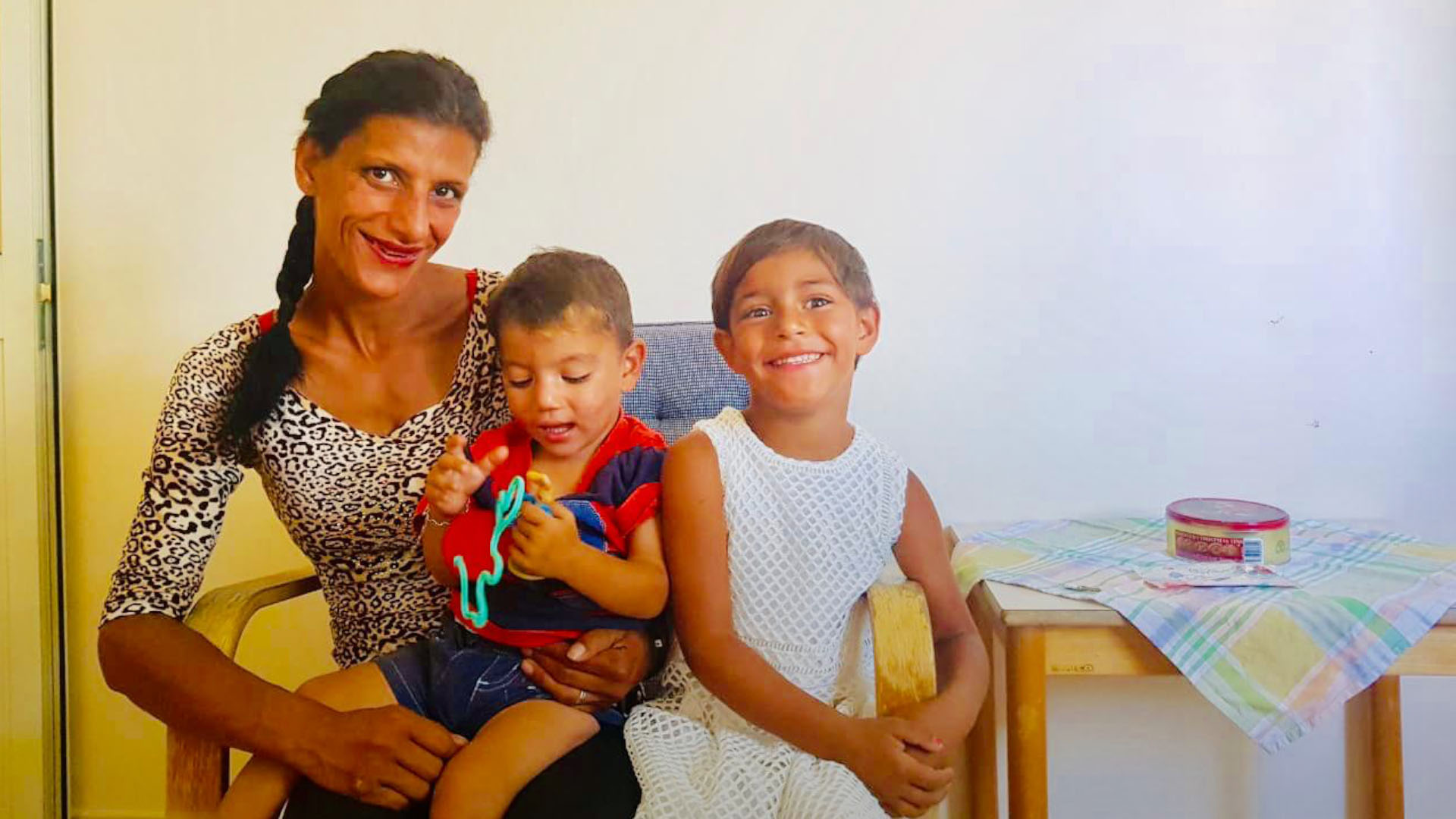
    Local ministries are reaching out to the abandoned and ignored in the United States with food and community.

    Every Friday, World Challenge’s partners in Florida, Sharing Hope, prepare lunches and pack bags of groceries with canned goods, fruit, vegetables, bread and pastries. They also prepare 50 bags of children’s lunches with hot dogs, juice, fruit and other goodies.

  • Refugees in Algeria

    Rachel Chimits

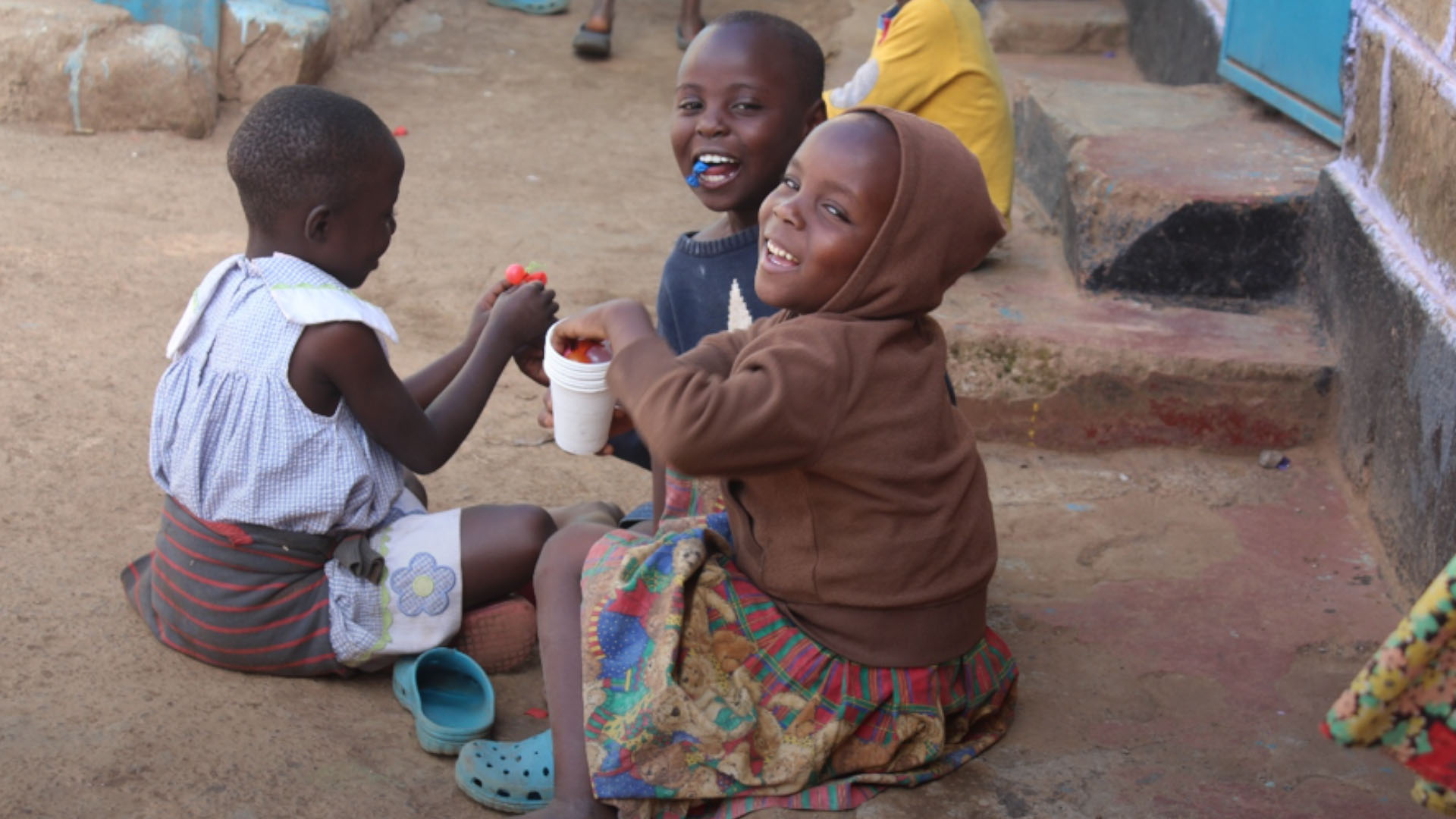
    God has not forgotten a people living in one of the planet’s harshest environments, largely ignored by the rest of the world.

    When refugees come up in conversation, many listeners may think only about the crisis in Syria and the many people who have fled the war-torn Middle East.

  • Building Wells and Unity

    Benjamin Demblowski

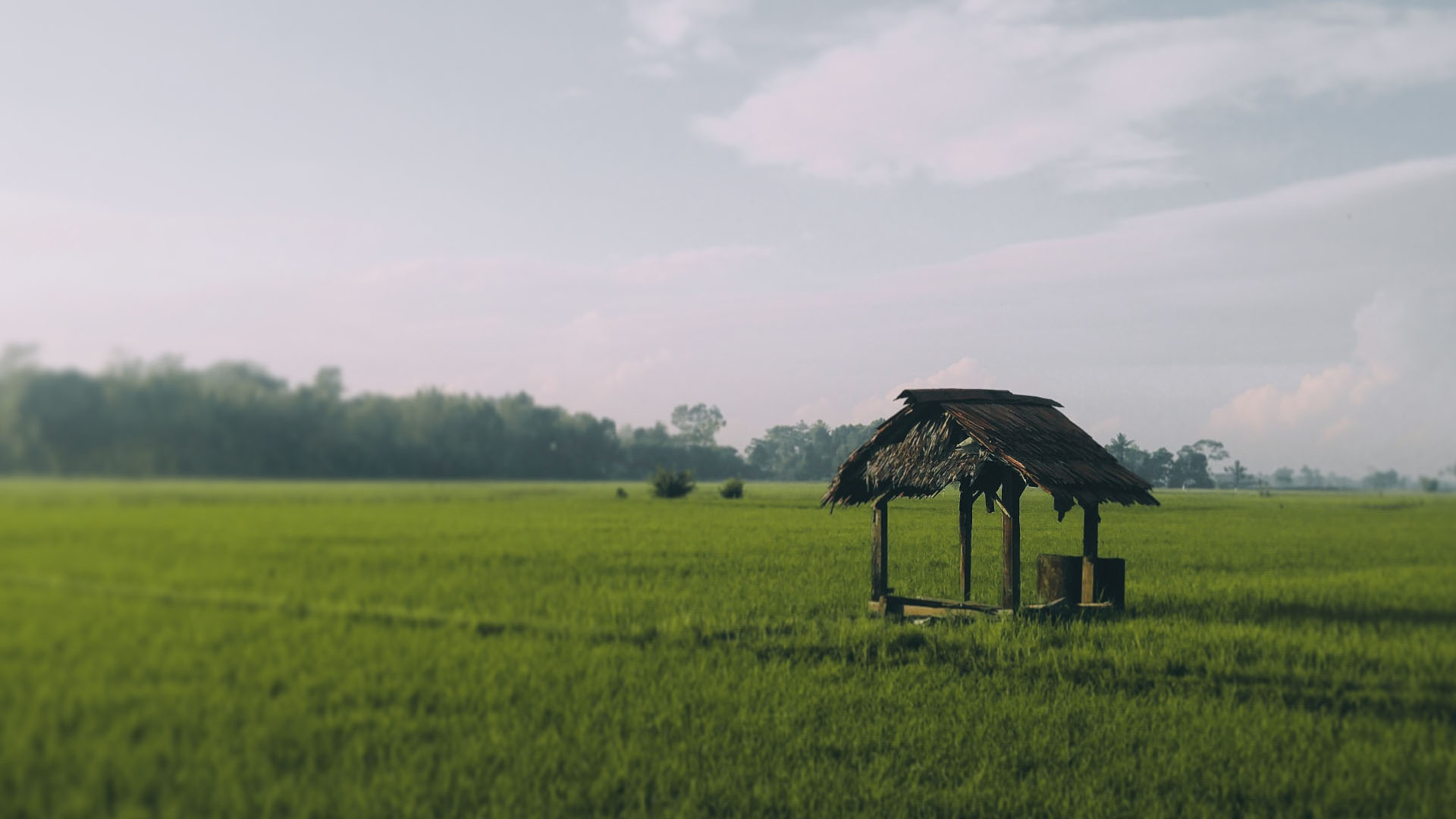
    Brazil’s drought-stricken regions are experiencing new life through the hard work of World Challenge’s partner.

    A lack of water affects everything in a community from basic health and sanitation to education and employment.

    Clean water, as a basic human need, is foundational to building healthy communities. Meeting the physical need for water opens doors for people to receive what they thirst for most: living water.

  • Cambodia’s God of Life and Peace

    Rachel Chimits

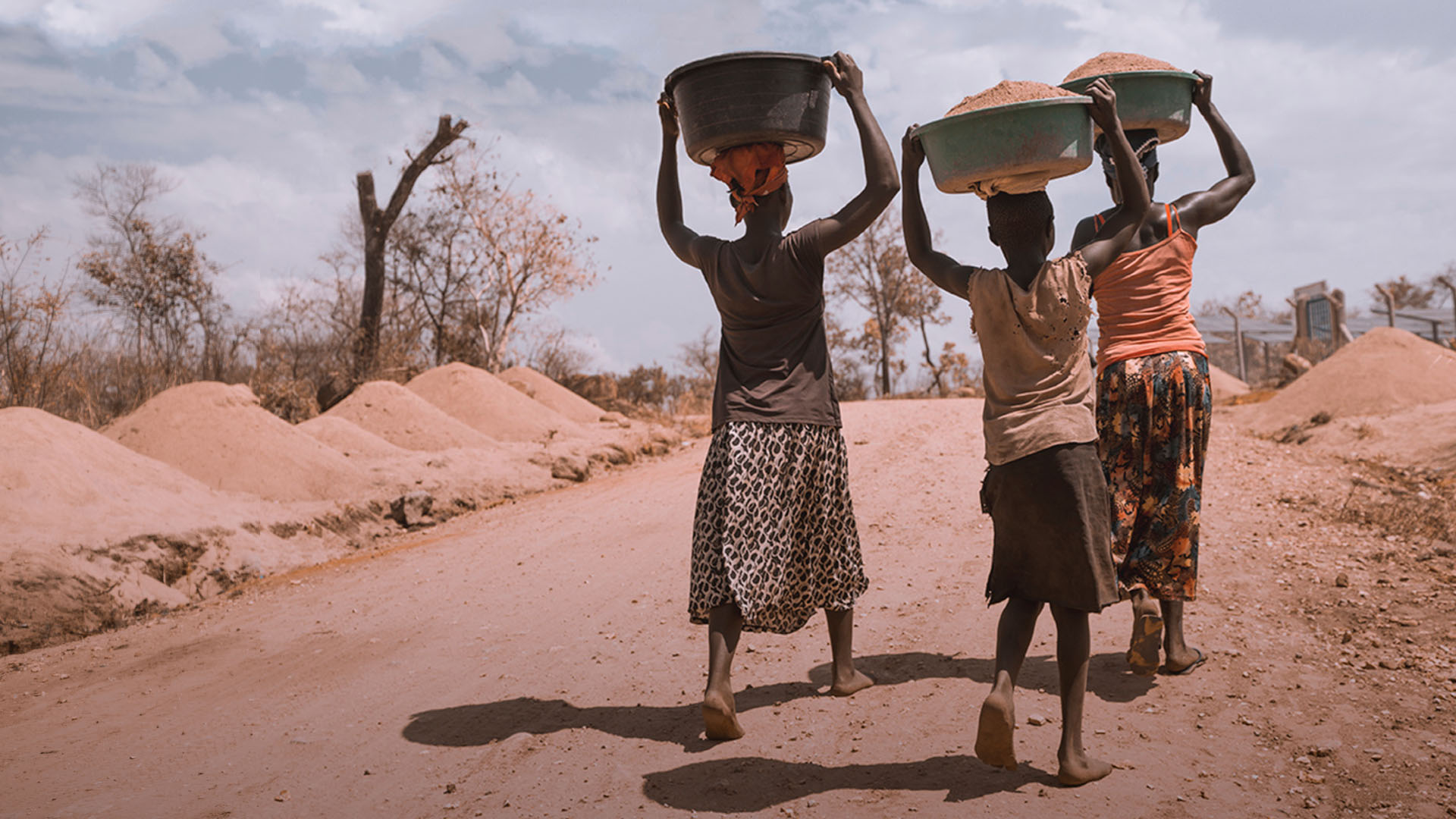
    After the horrific atrocities inflicted by the Khmer Rouge, Cambodia’s people are looking for the author of healing and new life.

    The Khmer Rouge was one of the most brutal episodes in human history.

    Communist dictator Pol Pot decided, in the wake of the Vietnam War, that Cambodia needed to become a socialist paradise, independent from all outside influences.

  • Making a Multi-Generational Church

    Rachel Chimits

    Church leaders in Brazil are looking for ways to build up children and teenagers as vital ministry workers. 

    The ministry of Jacob’s Well extends throughout northern Brazil, sharing the gospel alongside helping people get access to the clean water but also teaching them new agricultural practices, hygiene lessons and other community skills.

    Reading lessons are one of their programs, meant to combat the high levels of illiteracy in Brazil’s rural areas.